2026 rebalancing strategy
Cryptocurrency portfolio rebalancing strategy for 2026
Key takeaways
- Post-halving BTC drift can push portfolios 20%+ overweight within a single quarter.
- ETH staking yield (3-4%) and stablecoin yield (4-6%) make holding both more productive.
- Quarterly rebalancing is enough for most 2026 portfolios. Monthly is overkill.
- Threshold-based rebalancing (5-10% drift) outperforms strict calendar-based methods.
What changed for 2026
Post-halving Bitcoin tends to drift further above target than in flat markets. Stablecoin yields are now competitive with traditional fixed income, which makes a 15-25% stables sleeve less of an opportunity cost.
ETH staking is mature and liquid. The decision to stake is no longer a tradeoff between yield and flexibility, it is the default for any meaningful ETH position.
The 2026 balanced default
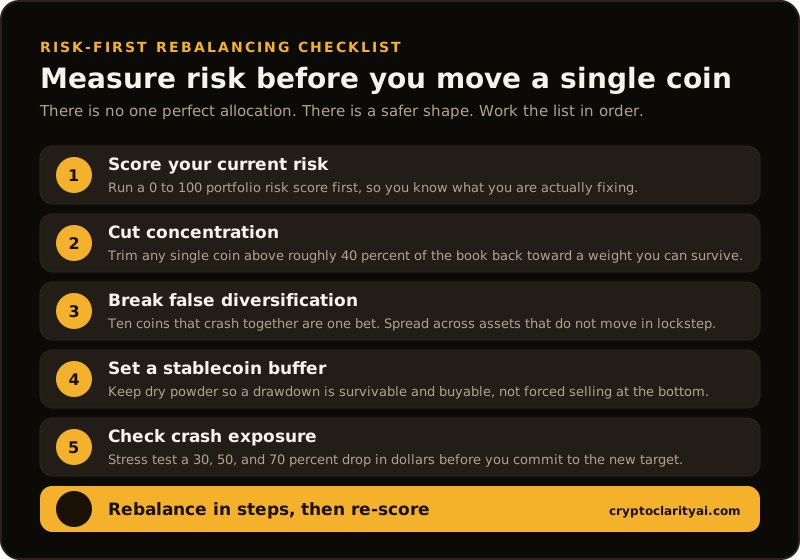
A defensible 2026 balanced allocation: 45% BTC, 25% ETH (staked), 20% stablecoins (yield-bearing where regulated), 10% altcoins or thematic bets.
This allocation passes the 12-dimension health score with strong marks on concentration, correlation, and yield quality. It is not the only valid setup, but it is a useful baseline.
Threshold vs calendar rebalancing in 2026
Calendar rebalancing (e.g., first Monday of every quarter) is mechanical but blind to actual drift. Threshold rebalancing (act when any asset drifts 5-10% from target) catches the moves that matter and ignores noise.
For 2026, threshold-based with a quarterly check-in cadence is the practical sweet spot. Rebalance only when triggered, not on a schedule.
2026 strategy stress test on $50K
| Scenario | Loss | Remaining |
|---|---|---|
-20% market correction Routine pullback | -$8,000 | $42,000 |
-50% major crash Cycle-style | -$18,500 | $31,500 |
-75% bear market Historical worst case | -$28,000 | $22,000 |
Annual yield (no crash) Staked ETH + stables | +$1,400 | $51,400 |
Illustrative figures based on a $50,000 portfolio. Your actual numbers will differ, the analysis uses your real holdings and live CoinGecko prices.
See your real numbers, not estimates
Enter your holdings, get a 12-dimension health score, four crash scenarios, and rebalancing targets. One-time $12 launch price (regularly $19). Nothing uploaded, nothing stored.
Frequently asked questions
What is the best crypto rebalancing strategy for 2026?
Threshold-based rebalancing with a quarterly check-in. Set targets, check drift every 90 days, and rebalance only when any asset is 5-10% off target.
How often should I rebalance in 2026?
Quarterly check-ins with threshold-based action. Monthly rebalancing creates unnecessary trades. Annual is too slow given crypto volatility.
Should I include stablecoins in my 2026 strategy?
Yes. With stablecoin yields competitive with traditional fixed income, a 15-25% stables sleeve is no longer a meaningful opportunity cost and dramatically reduces drawdown risk.
What about altcoins in a 2026 portfolio?
Cap altcoin exposure at 5-15% as a thematic sleeve. The diversification benefit is real but limited because most altcoins are highly correlated to ETH.
Related